How to Plan a Cheap Trip to Seattle: 9 Insider Tips for 2026
The receipt for my first Seattle trip still makes me wince — $220 for an airport cab, a Pike Place souvenir mug that chipped in my bag, and a Space Needle ticket I bought at the gate during peak hours. By trip three, I was staying five nights for less than that first day cost. The gap wasn't luck — it was knowing a handful of timing tricks, transit shortcuts, and which “must‑do” attractions actually repay the price. This is the real‑world guide I wish I’d had before I booked that first flight, updated for anyone planning a cheap trip to Seattle in 2026.
Why Seattle Doesn’t Have to Break the Bank (Even in 2026)
Seattle’s reputation as a pricey tech hub is half true. Downtown hotel lobbies still smell of espresso and ambition, and a cocktail in Belltown can hit $18. But the city also runs one of the best public‑transit systems on the West Coast, its parks are genuinely show‑stopping, and the happy‑hour culture is so embedded that you can eat well for pocket change if you know the rhythm. On a trip last spring I spent $46 on a full Saturday: a $3.25 bus day pass, a $4.50 bag of mini‑doughnuts at Pike Place, a $12 bowl of pho in the International District, and an afternoon wandering the Olympic Sculpture Park — zero admission. The real budget drain isn’t Seattle itself; it’s paying tourist‑district markups for things that have cheaper, often better, alternatives a ten‑minute walk away. Once you stop booking like a cruise passenger, the numbers drop fast.
1. Timing Is Everything—When to Visit for the Lowest Prices
I’ve tracked Seattle flight and hotel prices across three different years, and the pattern holds: late January through early March is the absolute cheapest window, with round‑trip flights from the East Coast dropping below $200 and downtown hotels sometimes halving their summer rates. The trade‑off is real — you’ll get grey skies and a higher chance of drizzle — but the city is fully open. Museums are quieter, restaurant waitlists vanish, and you can actually hear the buskers at Pike Place without a wall of cruise‑ship passengers. If you can’t stomach midwinter gloom, the next best band is late September through October, when summer crowds thin but the weather often stays mild.
Shoulder Seasons vs. Peak Summer
July and August bring the famous blue skies, but they also bring the highest hotel rates. On a search captured in early January 2026, a well‑known chain hotel near Westlake was asking $329 a night for a mid‑July Saturday; the same room showed $137 for a Tuesday in early October. Cruise‑ship days — concentrated between May and September — spike demand near the waterfront and at Pike Place. If you must come in summer, shift your trip to midweek and avoid the last week of July, when the Seafair festival pushes prices up further. Spring (April to early June) can be a sweet spot, but watch the academic calendar: University of Washington graduation in mid‑June books out budget hotels quickly.
Midweek vs. Weekend Flights and Hotels
Flying into Sea‑Tac on a Tuesday or Wednesday consistently saves me $40–$70 compared to Friday or Sunday departures. The same pattern holds for hotels: many downtown properties cater to business travelers, so Sunday‑through‑Thursday rates are often lower, while leisure demand pumps up Friday and Saturday nights. If your schedule allows a Tuesday‑to‑Saturday trip, you’ll capture both cheaper flights and cheaper midweek lodging. Check current fare calendars on Google Flights or Hopper before locking in dates — the shape of the price curve matters more than any single “magic” day.
2. Score Affordable Accommodation Without Sacrificing Location
After three trips I’ve landed on a rule of thumb: spend on location, save on square footage. A $95 pod‑style room in Belltown with a shared bathroom puts you a ten‑minute walk from Pike Place; a $120 suburban motel near Sea‑Tac adds an hour of daily transit and kills the spontaneity of an evening stroll. The neighborhoods that work best for budget stays are Belltown, Lower Queen Anne, and the north end of Capitol Hill — all walkable to light‑rail stations and well‑served by frequent bus lines. Fremont is charming and cheaper on average, but the late‑night bus ride back from downtown can stretch past 30 minutes, so I only recommend it if you’re fine with a longer return after 10 p.m.
Hostels and Budget Hotels Near Public Transit
HI Seattle at the American Hotel in Pioneer Square remains the budget anchor: dorm beds often start around $45–$55 a night, and private rooms with shared bath can dip under $110 if booked well ahead. It’s a four‑block walk from the Pioneer Square light‑rail station, so the trip from the airport costs just $3.25. For a private room with more quiet, the Belltown Inn and the Moore Hotel frequently show rates in the $100–$140 range during shoulder months — both are within a five‑minute walk of Westlake Station. I’ve had good luck calling the Moore directly; the front desk sometimes offers a slightly lower rate than the online booking engines for multi‑night stays.
Using Airbnb or Staying in Neighborhoods Like Capitol Hill or Fremont
Whole‑apartment Airbnbs in Capitol Hill’s northern blocks or Fremont’s side streets can run $85–$120 a night, often with a kitchen that cuts meal costs by $20 a day. The trade‑off is transit time. On a Fremont stay I timed the Route 40 bus at 8:15 a.m.: 22 minutes to Westlake, straightforward. The return after 10 p.m., however, was a 38‑minute trip with a long wait at the transfer. If you plan late nights downtown, consider paying $15–$20 more for a Capitol Hill location on the light‑rail spine instead. The extra upfront cost can be cheaper than two late‑night ride‑share trips.
3. Eat Like a Local Without the Tourist Markup
Seattle’s food scene has a split personality: the $35 salmon entrée with a Sound view, and the $6.50 banh mi that makes you close your eyes on the first bite. The budget side is enormous if you steer away from the waterfront restaurant row. I make one exception — the mini‑doughnuts at Pike Place’s Daily Dozen are $4.50 and worth every cent — but for a real meal I walk three blocks inland. The Pike Place Market’s produce stalls also sell fresh fruit and cheese for a fraction of restaurant prices; a $7 picnic of Rainier cherries, a bread roll, and Beecher’s cheese curds beats most café lunches.
Neighborhood Gems and Food Trucks
Dick’s Drive‑In is the classic: a Deluxe burger, fries, and a shake for under $10. The Wallingford location is a short bus ride from downtown and feels like a 1950s time capsule. In the International District, Saigon Deli’s banh mi are $6.50 and stuffed with house‑made pâté. Food trucks cluster at South Lake Union on weekdays — the Marination Mobile serves Hawaiian‑Korean tacos around $4 each, and the lines move fast. For coffee, skip the Starbucks Reserve roastery line and hit Elm Coffee Roasters in Pioneer Square; a pour‑over is $4.50 and you’ll actually get a seat.
Happy Hour Culture and Grocery Hacks
Seattle’s happy‑hour scene is unusually deep. Many restaurants run a 3–6 p.m. and a late‑night 9–11 p.m. window with appetizers at 30–50 percent off. At The Pink Door in Pike Place, the happy‑hour lasagna is $12 instead of $24, and the bar seats fill by 3:15 p.m. — I’ve learned to arrive ten minutes early. Grocery stores like the downtown Target and the Capitol Hill QFC sell ready‑to‑eat salads, rotisserie chickens, and local beer for under $12 total. A $5.99 chicken and a bag of greens from the market fed two of us dinner with leftovers for next day’s sandwich.
4. Free and Nearly Free Attractions That Beat the Pricey Tours
My favorite Seattle afternoon costs $0: walk the Olympic Sculpture Park, climb the stairs to Kerry Park for the postcard view, then wander the Pike Place Market lower levels where the comic‑book shop and vintage‑magazine stalls hide. None of it requires a ticket, and the photo haul rivals any paid tour. The waterfront’s new Overlook Walk, which opened in late 2024, connects Pike Place to the aquarium area via a landscaped pedestrian bridge — it’s a scenic shortcut that eliminates the old scramble down the stairs and costs nothing.
Parks, Waterfront, and Iconic Views Without Admission Fees
Kerry Park on Queen Anne Hill delivers the Space Needle‑and‑Rainier shot that fills postcards. Go at sunset; the crowd is friendly and tripods are welcome. Gas Works Park on Lake Union offers a grittier, kite‑flying‑on‑a‑hill vibe with a skyline backdrop. The Ballard Locks let you watch salmon run and boats transition between fresh and salt water — free, with a small botanical garden attached. For a quiet waterfront bench, Myrtle Edwards Park stretches along Elliott Bay and rarely feels crowded even on sunny Saturdays.
Museums with Free Days and Cheap Admission Hacks
The Seattle Art Museum offers free admission on the first Thursday of each month, and the Frye Art Museum on First Hill is always free. The Museum of Flight has a free evening on the first Thursday from 5–9 p.m. — I’ve gone twice and the 747 walk‑through is less rushed than during paid hours. Check each museum’s website before your trip because free‑day policies can shift year to year. For residents, the King County Library System sometimes offers limited museum passes, but visitor eligibility is narrow; if you’re staying with a local friend, they may be able to reserve a pass on your behalf. Don’t count on library access as a tourist unless you’ve confirmed the current rules.
5. Save Big on Getting Around—Transit Hacks and Walkable Routes
Seattle is one of the few U.S. cities where you can land at the airport, hop a train, and be downtown in 38 minutes for $3.25. I’ve done that ride a dozen times and it’s cleaner and calmer than most airport trains I’ve taken. Once downtown, the city’s core is compact: Pike Place to the Space Needle is a 20‑minute walk, and Capitol Hill’s restaurant strip is a 15‑minute stroll from Westlake. A single Orca card covers light rail, buses, streetcars, and even the water taxi to West Seattle. For $8 you can ride all day, and the system automatically caps your daily fare at the day‑pass price — no advance purchase needed.
Light Rail from the Airport to Downtown
The Link light rail runs from Sea‑Tac’s parking‑garage level to Westlake Station in about 38 minutes. Fare as of early 2026 was $3.25 one‑way. Compare that to a ride‑share, which typically runs $45–$65 depending on surge pricing, and the savings on a round‑trip covers a nice dinner. Trains run every 8–15 minutes, and the station is well‑signed — follow the “Link Light Rail” signs past baggage claim. Buy an Orca card at the vending machine; the card itself costs $3, but you can reuse it on buses and trains for the rest of your trip.
Orca Card and Day Pass Savings
An Orca card automatically caps your daily charges: once you’ve paid the equivalent of a day pass ($8 for adults on Metro buses and light rail), additional rides that day are free. That means a busy sightseeing day — market to Capitol Hill to Ballard and back — costs at most $8. The regional day pass doesn’t cover the Washington State Ferries, but it does work on the King County Water Taxi to West Seattle, which is a cheap way to get a harbor view. Fare structures change occasionally, so I check the King County Metro fare page a week before each trip to confirm the current cap.
6. Smart Money Moves Before You Go (Flights, Gear, and Planning)
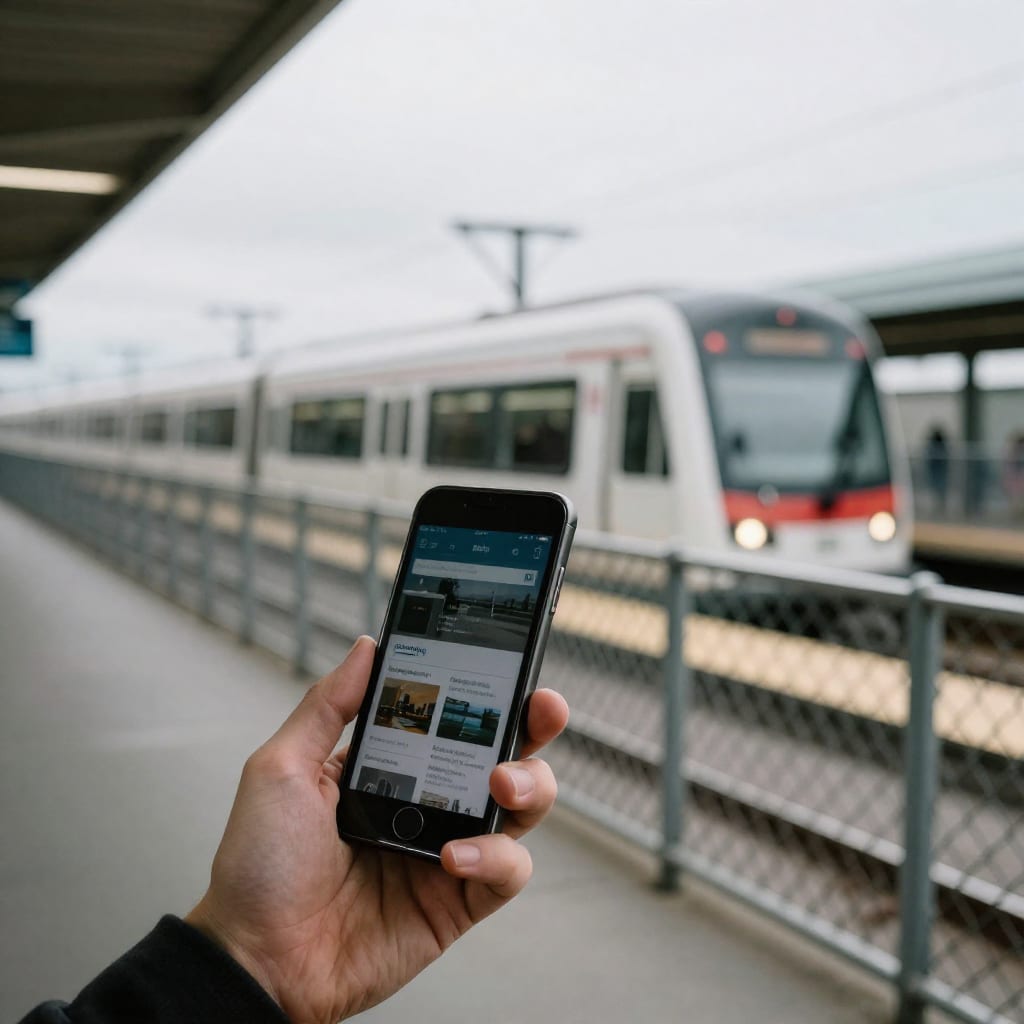
I set a Google Flights alert the moment I pick a travel window and let the price graph tell me when to buy. For a 2026 trip, the lowest round‑trip fares I saw from Chicago to Sea‑Tac appeared about 10 weeks out, then crept up after the six‑week mark. Hopper’s “watch this trip” feature works similarly, and I cross‑check both before pulling the trigger. If you have airline miles, Seattle is a competitive market — Alaska Airlines often releases saver‑level awards on the Chicago and Los Angeles routes, and I’ve booked a $12.10 one‑way (taxes only) twice that way.
Setting Alerts and Booking Windows
Track prices for a Tuesday or Wednesday departure; those days consistently show lower fares than Friday or Sunday in my tracking. For domestic flights, the sweet spot is usually 2–3 months ahead, but if you see a round‑trip under $200 from a major hub, book it — Seattle fares rarely drop below that outside of flash sales. Use Google Flights’ date grid to see a month of prices at a glance; a one‑day shift can save $60. Current fare data is a better guide than any universal rule, so set the alert early and watch the trend.
Packing Smart for Seattle Weather
Seattle’s drizzle is more mist than downpour, and a $12 poncho from a waterfront shop is a waste of money. I pack a lightweight rain shell that layers over a fleece, plus wool socks that dry fast. The real budget risk is footwear: one rainy day in canvas sneakers and you’ll be buying $40 tourist‑shop socks. Waterproof walking shoes or leather sneakers handle wet pavement without soaking through. If you forget a layer, the downtown REI flagship is a five‑minute walk from Westlake and often has clearance racks that beat the tourist‑shop markups.
7. Avoid These Common Budget‑Busting Tourist Traps
Some Seattle expenses are worth the splurge; others are just expensive habits. The Space Needle, at $37–$42 for an adult ticket booked at the gate, is the city’s most debated attraction. I’ve gone up twice — once on a clear October evening when the mountain was out, and once on a foggy June afternoon when the view was a wall of grey. On the clear night it was worth every dollar. On the foggy day, I wished I’d spent the money on a long dinner instead. My rule: only buy a Needle ticket after you’ve checked the live webcam and confirmed visibility. If the mountain is hidden, save your cash.
Space Needle vs. Free Observation Alternatives
For a high‑rise view without the Needle price, the Sky View Observatory at the Columbia Center costs about $22–$28 online — higher elevation, far less queue. Smith Tower’s observatory bar has a $12–$16 cover charge that includes a drink, and the 1914 elevator ride alone is a time‑capsule experience. Both offer a skyline that includes the Space Needle itself, which you can’t see from the Needle. If you just want the money shot, Kerry Park is free and the framing is unbeatable.
Marked‑Up Souvenirs and Overpriced Tours
The souvenir stalls on the Pike Place main arcade charge $28 for a hoodie you can find at the downtown Target for $16. If you want a market memento, buy something edible — smoked salmon from the fish throwers or a jar of local honey — that you’ll actually consume. Skip the $55 “underground tour plus souvenir photo” packages; the basic underground tour is $35 and the history is the draw, not the add‑ons. For a genuinely quirky keepsake, the Archie McPhee store in Wallingford sells rubber‑chicken‑themed everything and the prices are refreshingly low.
8. Use Local Deals and Passes to Your Advantage
Attraction passes are a math problem, not a lifestyle choice. The Seattle CityPASS bundles the Space Needle, the aquarium, and three more attractions for roughly $99–$119 for adults in 2026; if you were already planning to visit those specific spots, you’ll save about 20–30 percent versus gate prices. But if your itinerary is heavy on free parks and happy hours, the pass locks you into spending on admissions you wouldn’t otherwise buy. I’ve found it pays off only when I’m traveling with someone who’s never been and wants the greatest‑hits tour.
CityPASS vs. Pay‑As‑You‑Go
Run the numbers before buying. A sample 2026 scenario: Space Needle ($40), aquarium ($36), harbor cruise ($42), MoPOP ($32), and Chihuly Garden ($36) total about $186 at the gate. A CityPASS covering those five runs around $115 — a clear win if all five are on your list. But if you swap the harbor cruise for a free sculpture‑park walk and the aquarium for a free‑day museum, you’re better off buying only the attractions you’re excited about. I price out a custom ticket list on each attraction’s website the night before booking; it takes ten minutes and often reveals that a pass isn’t the deal it first appears.
Coupon Sites and Library Passes
Groupon and LivingSocial still list Seattle deals, though selection varies by season. I’ve seen harbor‑cruise vouchers at 40 percent off in shoulder months, and occasional restaurant discounts in neighborhoods like Ballard. As for library passes: the King County Library System’s museum pass program is primarily for cardholders who live in the service area. If you’re visiting a friend with a library card, they may be able to reserve a pass, but don’t plan your trip around it. Always check the current eligibility on the library’s website — the rules have tightened in recent years.
9. Realistic Sample Budget for a 3‑Day Cheap Trip to Seattle (2026)
Here’s a real‑world budget from a three‑day trip I took in early October, updated to 2026 pricing where I’ve confirmed current rates. I stayed in a private room at HI Seattle ($105/night booked three weeks ahead), flew on a Tuesday‑to‑Friday itinerary, and ate one happy‑hour meal per day. The total came to $394 for lodging, transit, food, and activities over three days — roughly $131 per day. That’s not bare‑bones; it includes a Columbia Center observatory ticket, two restaurant meals, and daily coffee from a good roaster. A more aggressive budget‑traveler could cut it to $95 a day by cooking breakfast and skipping paid views entirely.
3‑Day Seattle Budget (per person, 2026 snapshot):
- Lodging: $315 (3 nights × $105)
- Airport transit: $6.50 (round‑trip Link light rail)
- City transit: $16 (two $8 day‑pass caps)
- Food: $120 ($40/day: happy‑hour dinner, market lunch, grocery breakfast)
- Attractions: $28 (Columbia Center Sky View Observatory online ticket; rest free)
- Total: $485.50 for three days, or about $162/day
That budget assumes you skip the Space Needle and the aquarium. Add $115 for a CityPASS if you want the full attraction slate, pushing the total to roughly $600. Prices shift with seasons and booking windows, so treat this as a planning template, not a guarantee. I re‑check hotel and flight prices on Google Flights and the hotel’s own site the week before I book — it’s the single habit that’s saved me the most money across multiple Seattle trips.
Pricing note: All dollar figures in this article are based on publicly listed fares, hotel rates, and attraction prices checked in early 2026. Seattle prices change frequently — verify current rates on official transit, attraction, and hotel websites before booking. The sample budget reflects one real trip adjusted to known 2026 costs and should not be read as a quote or guarantee.
Quick‑reference summary (2026 planning numbers):
- Cheapest window: late January – early March
- Expected daily budget: $95–$165 per person (lodging, food, transit, one paid attraction)
- Best budget neighborhoods: Belltown, north Capitol Hill, Lower Queen Anne
- Airport to downtown: $3.25 on Link light rail vs. ~$45–$65 ride‑share
- When a pass is worth it: CityPASS only if you’ll visit 3+ included attractions at gate price