Island Hopping in the Philippines: 9 Beginner Tips That Actually Help
I once sat on a weathered wooden dock in Port Barton, watching my boat to El Nido pull away without me — engine trouble. I'd already checked out of my room, eaten my last emergency granola bar, and the next boat wasn't for two days. That afternoon taught me more about island hopping in the Philippines than any guidebook. It's not just about picking pretty islands; it's about learning a rhythm that keeps you moving when plans dissolve. If you're new to this, the 7,000-island sprawl can feel like a beautiful problem. These tips come from real trips, real mistakes, and the practical fixes I wish I'd known before my first outrigger ride.
Why You Need a Game Plan Before You Start Hopping
Most first-timers land in Manila with a loose list of islands scribbled in a phone note and a vague idea that boats just... connect. They don't. The Philippines isn't a tightly stitched ferry network like the Greek Cyclades. You're dealing with long distances, unpredictable weather, and transport that runs on island time — a real phenomenon where schedules are suggestions, not promises.
On my first trip, I tried to cram Palawan, Cebu, and Siargao into ten days. I spent nearly half that time in transit, staring at airport ceilings or waiting for delayed ferries. A smarter plan: accept that you'll move slower here. The water's too blue to rush. A game plan means deciding which region to focus on, understanding how boats actually work, and building in buffer days so one cancelled trip doesn't unravel everything. Without that, you'll burn cash and patience.
The most common Philippines island hopping mistakes I see? Overpacking (you'll haul your own bag across sand and shallow water), ignoring weather seasons, and assuming you can pay with a card on a remote beach. Fix those upfront, and the rest becomes a lot smoother.
Tip 1: Pick a Region, Not Just an Island List
With over 7,000 islands, the fastest way to ruin a trip is to treat it like a checklist. Beginners do better choosing one cluster and exploring it well. The best Philippine islands for beginners usually sit in three main regions.
Palawan is the poster child — El Nido, Coron, and the less-crowded Port Barton. It's a linear route: fly into Puerto Princesa, minivan north, then hop between coastal towns by boat. The limestone karsts and lagoons are what you've seen on Instagram, and the infrastructure is decent for first-timers.
The Visayas — Cebu, Bohol, Siquijor, and Negros — gives you variety: whale sharks (with ethical caveats I'll address later), Chocolate Hills, waterfalls, and some of the best beginner-friendly ferry connections. Cebu City is a major hub, so you can base yourself there and do loops.
Luzon (beyond Manila) has spots like Batangas and Puerto Galera, reachable by bus and short ferry, but they feel more like weekend getaways than full island-hopping circuits. Mindanao has stunning areas like Siargao and Camiguin, but parts of the region have travel advisories; check official guidance from your embassy and the Department of Tourism before planning.
Pick one region for a week to ten days. My go-to beginner route: fly into Puerto Princesa, spend a night, take a van to Port Barton (3 hours, bumpy), stay two nights, then a boat to El Nido (5 hours, if the sea cooperates), finish in El Nido with island-hopping tours A and C. That's a real itinerary I've done twice, and it leaves room for a breakdown day.
Tip 2: Master the Boat Schedule – Ferries, Pump Boats, and Weather Windows
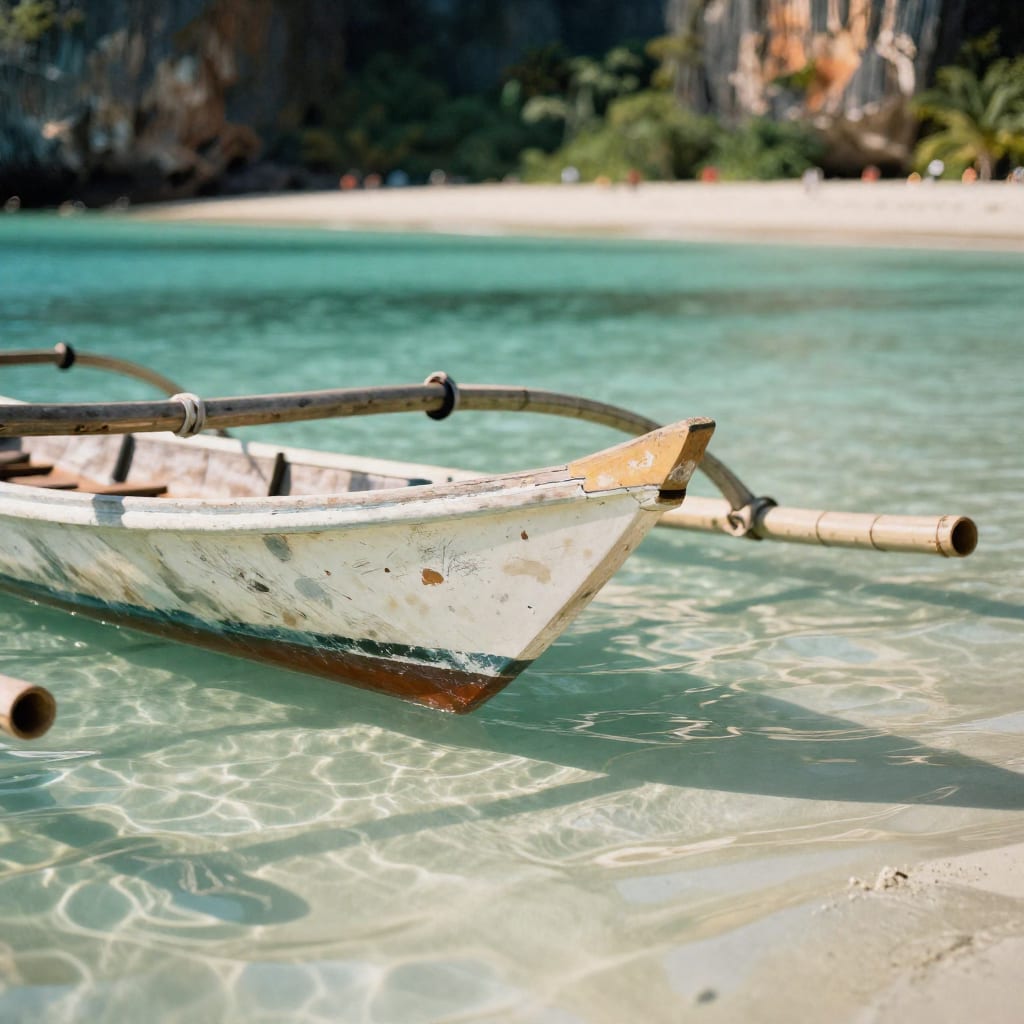
You'll hear two terms constantly: ferry (big, enclosed, runs on a timetable) and pump boat or bangka (wooden outrigger, open-air, the workhorse of local island hopping). Understanding which one you're dealing with changes how you plan.
For major inter-island routes — Cebu to Bohol, Manila to Coron, or Cebu to Siquijor — large ferries like 2GO Travel, OceanJet, and Montenegro Lines operate scheduled services. You can check times on their official websites or at pier ticket offices. According to the Philippine Coast Guard, these vessels are subject to suspension when typhoon signals are raised, and PAGASA (the national weather bureau) issues regular gale warnings that affect smaller boats. I bookmark pagasa.dost.gov.ph before any multi-day hop.
For short hops — El Nido's tour lagoons, Siquijor to Apo Island, or Coron's lakes — you'll negotiate directly with boat operators at the beach or through your accommodation. These pump boats rarely have online booking. Walk up the afternoon before, pay a deposit, and confirm the pickup spot. Prices are usually fixed per boat, not per person, so joining a shared group is cheaper.
Weather windows are everything. The dry season (November to May) gives you calm seas and clear skies. June to October brings the southwest monsoon and typhoons, especially in the Visayas and Luzon. I've been stuck in Cebu for three extra days in July because fast craft were grounded. The Coast Guard doesn't hesitate to halt all small vessels, and you can't argue with the sea. Build a two-day buffer into any itinerary that involves multiple boat legs.
Philippines boat travel tips I live by: always ask a local captain if the crossing is maalon (rough) before you board a small bangka; wear the life jacket they offer, even if it's faded; and keep your phone in a dry bag — I learned that one the salty way.
Tip 3: Pack Light, But Bring These 5 Non-Negotiables
Every first-timer I see at the pier drags a wheeled suitcase that's about to get soaked. You'll be wading through knee-deep water to board boats, walking on sand, and lifting your own bag onto outriggers. A 40-liter backpack is the sweet spot.
My Philippines packing list islands essentials, refined over too many wet rides:
- Reef-safe sunscreen — Many marine parks in the Philippines, including some areas of El Nido and Coron, encourage or require mineral-based sunscreens to protect coral. Look for zinc oxide or titanium dioxide as active ingredients. While enforcement is inconsistent, using it is the right call for the reefs you're there to see.
- Dry bag (20-30 liters) — Not a stuff sack, a real roll-top dry bag. It protects your phone, passport, and a dry shirt. On a pump boat, spray hits from all sides. I use one as my daypack and stuff my backpack inside a heavy-duty trash bag as a liner.
- Rash guard or long-sleeve swim shirt — Sunburn happens fast on the water. A rash guard also protects you from jellyfish larvae, which I've encountered in Palawan's lagoons during warmer months.
- Water shoes or sturdy sandals with a heel strap — Sharp coral, sea urchins, and rocky shorelines are common. Flip-flops slip off in the muck.
- Headlamp — Island power is unreliable. I've walked back from dinner in Siquijor with my phone flashlight, dodging goats. A headlamp frees your hands for balancing on dark piers.
Leave the jeans, the laptop, and the third pair of shoes at your Manila hotel. You won't miss them.
Tip 4: Budget Like a Local – Cash Is Still King
On most small islands, card terminals are rare, and ATMs are few and frequently empty. The Philippines island hopping budget reality: you need physical pesos, and you need small bills.
A realistic daily budget for a mid-range traveler island hopping runs PHP 2,000–3,500 (roughly USD 35–60, depending on exchange rates). Here's a real cash breakdown from a day I tracked in El Nido in early 2025:
- Shared boat tour (Tour C, including lunch and snorkel gear): PHP 1,200
- Environmental fee (collected at the beach): PHP 200
- Trishaw to the meeting point and back: PHP 150
- Dinner and two San Miguel beers at a beachfront joint: PHP 450
- Guesthouse room (fan, shared bath): PHP 600
- Total: PHP 2,600
That's a modest day; add a nicer room or scuba diving and you'll hit PHP 4,000. I always withdraw cash in Puerto Princesa or Cebu City before heading to the islands. Carry PHP 500 and PHP 100 bills — small vendors and boatmen rarely have change for a PHP 1,000 note. Resorts and larger hotels in places like Panglao or El Nido town may accept cards, but they often add a 3-5% surcharge. Cash in Philippine islands is still the default, though contactless payments are slowly creeping into tourist hubs. Don't count on them.
Tip 5: Stay Flexible – One Cancelled Trip Can Reshape Your Whole Itinerary
The Port Barton to El Nido boat that left without me? The engine coughed, the captain shrugged, and ten of us stood on the dock recalibrating our week. I ended up sharing a van with a German couple back to Roxas, then a bus to El Nido — an unplanned eight-hour land detour that cost more but got me there the same day.
Flexibility isn't a platitude here; it's the only gear that doesn't strip when things go wrong. Weather cancellations are common. The Philippine Coast Guard suspends small craft when gale warnings are issued, and PAGASA updates these daily. Boat breakdowns happen because maintenance is spotty. Instead of panic, have a mental pivot: know the land-based backup route, keep your accommodation's phone number handy, and travel with a data SIM (Globe or Smart) so you can rebook on the fly.
I once lost a full day in Cebu when OceanJet cancelled all afternoon fast craft due to sudden swell. I wasn't prepared — no backup plan, no extra night booked. Now I always screenshot alternative ferry schedules the night before and keep a list of guesthouses near the pier. Philippines travel flexibility means treating your itinerary like a suggestion written in sand, not stone.
Tip 6: Learn a Few Local Words and Smile
Filipino hospitality is genuine, but it deepens when you meet people halfway. In Palawan and the Visayas, Tagalog and Cebuano mix, but English is widely spoken. Still, a few local phrases for tourists unlock warmer interactions.
Start with "Salamat" (thank you) and "Magkano?" (how much?). In Cebu and Bohol, "Maayong buntag" (good morning) earns smiles. When a boatman helps with your bag, a simple "Salamat, kuya" (thank you, older brother) shows respect. The Philippines runs on pakikisama — getting along. A smile and a patient tone go further than frustration when a boat is late. I've had captains reroute a trip to show me a hidden cove simply because we'd chatted on the bow.
Filipino hospitality travel isn't a myth; it's the reason solo travelers feel safe and groups feel welcome. Reciprocate it.
Tip 7: Book Accommodation With a Dock or Boat Access
Not every beachfront resort has a usable dock. Some are perched on cliffs with a 100-step staircase down to the water — charming until you're hauling a backpack at low tide. When I book Philippines island accommodation, I scan photos for a jetty or a flat beach where boats can pull up. In places like Coron, many guesthouses are in town with easy access to the main pier, which simplifies joining group tours.
Boat access resorts in the Philippines often list "airport/boat transfer available" — that's your clue they can arrange pickups. In El Nido, staying near Corong-Corong beach means tour boats can collect you directly, instead of you shuttling to the main tourism office. Skip the remote eco-lodge that requires a private 45-minute boat charter each time you want lunch; the savings evaporate in transport costs.
Tip 8: Respect the Environment – Coral, Plastics, and Wildlife
The lagoons you're swimming in are fragile. Coral takes decades to grow and seconds to destroy with a careless fin kick. Responsible tourism in the Philippines starts with simple rules: don't touch coral or sea turtles, don't feed fish, and carry your trash out.
Reef-safe sunscreen in the Philippines is a growing requirement. While not every municipality enforces it, local governments in El Nido and Coron have passed ordinances restricting sunscreens containing certain chemicals linked to coral bleaching. Check labels for oxybenzone and octinoxate and avoid them. Bring a reusable water bottle — many guesthouses offer refill stations, and you'll cut down on the single-use plastic that plagues island waste systems.
Regarding Oslob's whale shark interactions: this is a contentious topic. The whale sharks are fed to keep them in the area, which marine biologists say disrupts natural migration and feeding behaviors. If you choose to go, understand the ethical debate first. There are less intrusive ways to see whale sharks in the Philippines, such as in Donsol (Sorsogon), where interactions are regulated and feeding is prohibited. I recommend reading guidelines from organizations like the World Wildlife Fund before booking.

Tip 9: Don't Forget Travel Insurance – It's Not a Luxury
A friend of mine slipped on a wet bangka in Coron and needed stitches. The nearest clinic was a 40-minute boat ride away, and the bill, while modest by Western standards, was still unplanned. Travel insurance for Philippines islands covers medical evacuation, trip cancellation due to typhoons, and lost luggage — all real risks here.
Medical evacuation in the Philippines can be expensive if you need a helicopter from a remote island to a Manila hospital. Look for a policy that covers adventure activities (snorkeling, scuba) and has 24/7 emergency assistance. I've used World Nomads and SafetyWing on different trips; both handled claims without drama, though every situation is different. It's a few dollars a day for peace of mind when you're hours from a major hospital.
Frequently Asked Questions
What is the best time of year for island hopping in the Philippines?
The dry season runs from November to May, with the calmest seas typically between February and April. Avoid the typhoon months of June through October, especially in the Visayas and Luzon. Always check PAGASA forecasts before multi-day boat trips.
How many islands should a beginner visit in one trip?
Stick to 2-4 islands or stops within one region. A 10-day trip works well for a route like Puerto Princesa–Port Barton–El Nido, or Cebu–Bohol–Siquijor. More than that and you'll spend most of your time in transit.
Do I need to book ferries in advance?
For major routes like Manila to Palawan or Cebu to Bohol on large ferries, booking online a day or two ahead is wise, especially during peak season. For local pump boats and island-hopping tours, walk-up booking the day before is standard.
Is it safe to travel between islands alone?
Generally yes, especially in well-traveled areas like Palawan and the central Visayas. Use registered boats, share your itinerary with your accommodation, and keep a local SIM card for emergencies.
What should I do if a ferry is cancelled due to weather?
Ask the ferry operator for a refund or rebooking — most comply. Have a backup plan: a land route, an extra night's accommodation near the pier, and enough cash to cover a last-minute guesthouse. The Coast Guard's suspension decisions are final, so patience is your best tool.
Island hopping in the Philippines rewards the prepared, the flexible, and the light-packed. Learn the boat rhythms, carry pesos, and respect the water. Your first trip won't be perfect — mine certainly wasn't — but it'll be the kind of imperfect you'll want to repeat.